

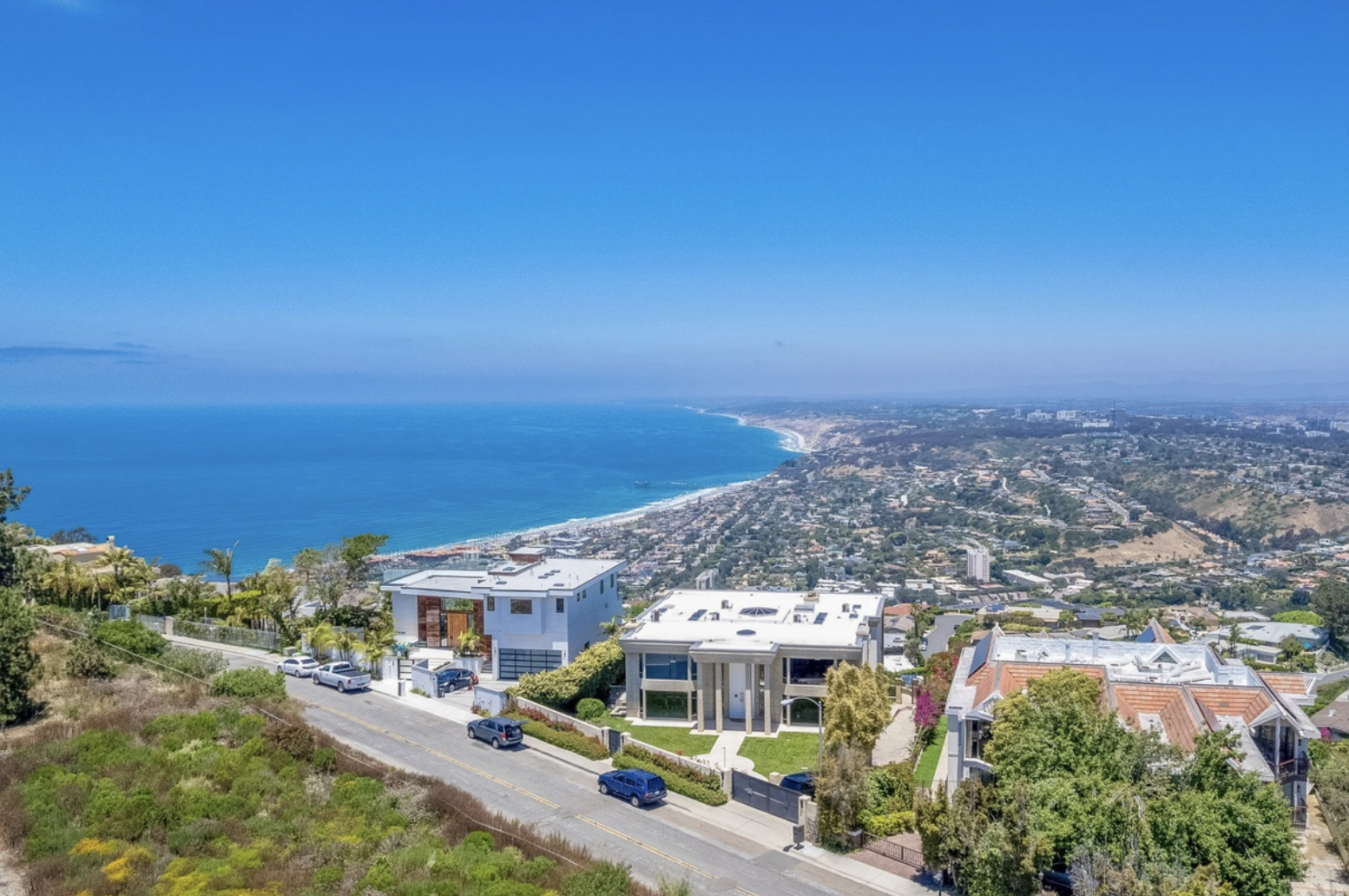
What Is It Really Like to Live in San Diego? Local Insights Featured by Homes.com
San Diego offers beautiful weather, an outdoor-oriented lifestyle and an unusually diverse collection of neighborhoods, but living here also requires buyers to understand the region’s housing costs, microclimates and geographic differences. The right San Diego community is not simply the one with the nicest house; it is the one that best supports the way you want to live. We are a lifestyle-first city.
I recently shared my perspective as a San Diego real estate expert of almost 20 years with Homes.com for its comprehensive guide, “Living in San Diego: Pros, Cons and Costs.”
The article explores San Diego’s housing market, cost of living, climate, employment opportunities, attractions and neighborhoods. I was pleased to contribute insights about several issues that often matter most to people considering a move here:
What buyers can realistically expect to receive for their budget
How dramatically the lifestyle can change from one San Diego community to another
The differences between coastal, metro and inland areas
San Diego’s traffic, safety, and overall quality of life
After helping San Diego buyers and sellers since 2006, I have learned that moving here successfully requires more than choosing a home from an online listing. Buyers need to understand how location, climate, housing style, commute patterns and community character come together to shape everyday life.
Is San Diego a Good Place to Live?
Yes, San Diego can be an exceptional place to live for people who value a mild climate, access to the outdoors, and who enjoy distinct neighborhoods and a more relaxed lifestyle than many other major California cities. However, San Diego is not one uniform experience. Living near the coast in La Jolla, Point Loma or Pacific Beach can feel very different from living in Mission Hills, North Park, Rancho Bernardo, Poway or Eastlake. That variety is one of San Diego’s greatest advantages, but it also makes choosing the right location especially important.
Some residents want to walk to restaurants, parks and coffee shops. Others prioritize a larger home, more outdoor space, highly regarded school districts, convenient freeway access and/or proximity to the beach. There is no single “best” place to live in San Diego. The better question is:
Which San Diego community best matches your budget, priorities and preferred lifestyle?
What Is Living in San Diego Really Like?
Living in San Diego often means spending a lot of time outdoors throughout the year. Depending on the community, a typical weekend might include walking along the coast, hiking at Torrey Pines, visiting Balboa Park, attending a Padres game, exploring a farmers market or dining in one of the region’s many neighborhood centers.
San Diego is a major metropolitan area, but it does not always feel like one dense city. Instead, it is composed of communities with noticeably different architecture, terrain, amenities and personalities. That community-focused structure allows people to create very different lifestyles within the same county.
What Are the Biggest Advantages of Living in San Diego?
A Mild, Outdoor-Friendly Climate
San Diego’s climate is one of its most recognizable benefits. In almost all areas, residents can comfortably spend time outdoors during much of the year (summer can be hot when you are further inland). Coastal communities are cooler and more influenced by the marine layer, while inland communities often experience warmer, sunnier conditions, so even a relatively short drive east can produce a meaningful temperature change.
Access to Beaches, Parks and Trails
San Diego offers access to the ocean, bays, canyons, regional parks, hiking trails and mountains.
Popular outdoor destinations include:
Torrey Pines State Natural Reserve
Mission Bay
Sunset Cliffs
Balboa Park
Cowles Mountain
Lake Miramar
Los Peñasquitos Canyon Preserve
The beaches of La Jolla, Coronado, Ocean Beach and Pacific Beach
- Mission Trails Regional Park
For most residents, outdoor access is not limited to vacations or occasional weekends. It's simply a part of everyday life.
Distinct Communities for Different Lifestyles
San Diego buyers can choose from historic urban neighborhoods, coastal communities, downtown condominiums, master-planned developments, suburban enclaves and even more rural settings.
For example:
La Jolla offers coastal scenery, luxury real estate, beaches, restaurants and cultural attractions.
Mission Hills features historic architecture, central access and a quieter residential atmosphere near the urban core.
North Park is known for restaurants, local businesses, nightlife and a lively community environment, with historic homes as its main offering.
Point Loma combines coastal access, established neighborhoods and proximity to Downtown.
Carmel Valley, Rancho Bernardo and Poway offer a much more suburban lifestyle with larger residential communities.
Eastlake and other Chula Vista communities provide newer housing, planned amenities and convenient access to South County destinations.
Each location creates a different version of San Diego living.
A Relaxed but Connected Lifestyle
San Diego is often described as more relaxed than Los Angeles or San Francisco. At the same time, residents have access to major employers, universities, health care systems, cultural institutions, professional sports and an international border region.
The result is a city that can feel approachable while still offering the resources and opportunities of a large metropolitan area.
What Are the Disadvantages of Living in San Diego?
Housing Is Expensive
The most significant challenge for many people moving to San Diego is the cost of housing. In the Homes.com article, I explained that most buyers understand San Diego will not be inexpensive. The greater surprise often comes when they see what their actually budget buys in a particular neighborhood.
A buyer may pay well over $1 million for a smaller home on a modest lot in a centrally located community, and even more for a coastal location. The same budget could potentially purchase more space farther inland, but the location, climate, commute and community environment would also be different.
This is why buyers should compare more than list prices. They should also evaluate:
Interior and lot size
Property condition
Age and architectural style
Renovation needs
Homeowners association fees
Insurance considerations
Commute time
Walkability
Weather
Long-term resale appeal
A less expensive home is not automatically the better value if it does not support the buyer’s daily life or future plans.
Public Transportation Is Limited in Many Areas
San Diego has trolley, bus and commuter rail systems, but many residents still rely heavily on cars. The region is geographically spread out, and traveling between communities usually requires freeway driving. Traffic is generally most noticeable during traditional commute periods and around major employment centers.
In my experience, San Diego traffic is often more manageable than newcomers expect outside peak hours. However, commute patterns should still be tested before a buyer chooses a neighborhood.
The Weather Changes by Location
People moving from outside the area sometimes assume all of San Diego has the same climate. It most definitely does not.
Communities near the ocean experience cooler temperatures, cloudier mornings and a stronger marine influence. Several miles inland, the weather will be warmer and sunnier. Farther east, summer temperatures may be considerably higher.
Someone who wants cool coastal air may love living west of Interstate 5. Someone who prefers dependable sunshine, a pool and warmer evenings may be happier farther inland.
How Much Does It Cost to Live in San Diego?
San Diego is one of the more expensive housing markets in the country, particularly in coastal and centrally located communities.
As of July, 2026, the median home cost for a single family home in San Diego is $1.1M, and the average rent is $2,645/month. To be honest, I think that rental amount is falsely low, as any 2BR and larger place in central or coastal San Diego would actually cost much more than that. I usually see rents at a minimum of $3,500/month and that would be for an apartment or a condo. Renting a single-family home would typically be $4,000 a month or higher.
On top of the housing, you will need to figure in utility costs, which are quite high here, and fuel costs, which are some of the highest in the nation.
What Can $1 Million Buy in San Diego?
The answer varies dramatically by community.
A budget near $1 million might purchase a condominium, townhome, smaller detached house or larger property depending on the location, condition and current market. In a coastal or highly central neighborhood, buyers may need to compromise on square footage, lot size, parking, condition or proximity to the water. For $1 million, you can buy a nice condo downtown (and you could definitely get one for less); you could easily buy a condo/townhome in the urban core like North Park/University Heights and definitely something in a more suburban area; or you could buy a single family home in a central neighborhood like Allied Gardens. The condo market here is very price-accessible; the single-family market, much less so in my opinion.
If you are willing to look farther inland or in parts of South County and North County, the same budget will likely provide more interior space, a newer home, and/or a larger lot.
How Should You Choose a San Diego Neighborhood?
Start with your daily life, not with a list of neighborhood names. Before beginning a home search, consider the following:
1. Where Do You Need to Be Regularly?
Identify employment locations, schools, family members, medical providers and other destinations you will visit frequently.
A community that appears close on a map may feel less convenient once traffic patterns and freeway access are considered.
2. What Type of Setting Do You Prefer?
Decide whether you are most comfortable in a coastal, urban, suburban or more rural environment.
Some buyers want energy and activity outside their front door. Others want privacy, quiet streets and more space.
3. How Important Is Walkability?
Walkability varies widely throughout San Diego. Communities such as Little Italy, Hillcrest, North Park and parts of La Jolla offer convenient, walkable access to restaurants and businesses. Other areas are designed around driving and may provide larger homes or more residential privacy.
4. Which Weather Do You Prefer?
Coastal and inland weather patterns should be treated as a meaningful lifestyle factor and not a minor detail. Spend time in the communities you are considering during different parts of the day whenever possible. When I drive from inland San Diego to downtown, I often see a temperature difference of 10 to 12 degrees, which makes a huge difference, especially during the summer months.
5. What Are Your Non-Negotiables?
Separate true requirements from preferences. Requirements might include a bedroom count, single-level living, accessibility, school boundaries, home office space or proximity to work. Preferences may include architectural style, a particular view, or a larger yard.
Is Coastal San Diego Better Than Inland San Diego?
Neither is universally better. They provide different benefits.
Coastal San Diego May Be a Better Fit If You Value:
Cooler temperatures
Beach access
Ocean views or breezes
Coastal recreation
Proximity to restaurants and village centers
A maritime atmosphere
Coastal homes command higher prices, and buyers will likely receive less space for their budget.
Inland San Diego May Be a Better Fit If You Value:
Warmer and sunnier weather
Larger homes or lots
More suburban communities
Newer construction options
Pools and outdoor entertaining
Potentially greater space for the price
The best choice depends on how much you value location relative to home size, age, condition and amenities.
What Should You Know Before Moving to San Diego?
Before relocating, it is helpful to:
Visit several communities rather than focusing on one familiar name
Experience potential commute routes during peak hours. Seriously, get in your car and drive. It's the only way to really understand what it will feel like on a daily basis to make your commute.
Compare coastal and inland temperatures. This is very easily done.
Review insurance availability and costs. Keep in mind that much of San Diego is in high wildfire severity zone, particularly if you live on a canyon or anywhere inland.
Understand property taxes and homeowners association expenses. HOA fees in San Diego for condos/attached units are especially high, and with the implementation of SB326, they are going even higher. Looking at an HOA's reserves, annual budget, and the potential for special assessments is an absolute must when you are buying in San Diego.
Evaluate the age and condition of the housing stock. Our central core is pretty old, with many homes over 100 years of age. That may or may not be a good fit for you.
Consider future resale demand.
Establish both a purchase budget and a comfortable monthly payment, and then stick to it. You do not want to get in over your head, and you don't want to be cash poor in an expensive city.
Learn which compromises are typical within each price range. When we walk buyers through a purchase in San Diego, we will fill you in on what you can expect for each area and for each price point.
A thoughtful relocation process should be educational before it becomes transactional. The goal is not simply to identify a house that looks appealing online. It is to understand the market well enough to make a confident decision about the home, community and your financial commitment. Our team leads with an education-first approach, providing both buyers and sellers with detailed guides, sample forms, informational consultations, and one-on-one advisory throughout the buying and/or selling process.
Frequently Asked Questions About Living in San Diego
Is San Diego a good place to retire?
San Diego can be an attractive retirement destination because of its climate, health care resources, outdoor amenities and range of communities. Retirees should carefully evaluate housing costs, taxes, insurance, access to medical care and whether they prefer a walkable, coastal, suburban or active-adult environment.
Is San Diego a good place for families?
Many families value San Diego’s outdoor lifestyle, parks, attractions and variety of residential communities. School districts, commute needs, housing budgets and desired amenities should be considered at the community and property level.
Do you need a car to live in San Diego?
Most San Diego residents benefit from having a car. Some neighborhoods offer strong walkability and/or access to transit, but the county’s size and dispersed employment centers make driving common. The advent of ride-share platforms has been a boon for those who don't want the expense of a vehicle, insurance, and gas, so if most of your activity is in one area, you can most likely get by without one.
Is San Diego less expensive than Los Angeles?
Housing and other expenses vary by neighborhood, but San Diego and Los Angeles are both high-cost Southern California markets. Buyers should compare specific communities and property types rather than relying only on citywide averages. Both metropolitan areas are very neighborhood-specific. I think the biggest differences between the two cities are actually size, traffic, safety, and vibe.
What is the best area of San Diego to live in?
There is no single best area for everyone. The right community depends on budget, commute, weather preferences, desired housing type, walkability, schools, amenities and lifestyle. I've lived all over San Diego in the last 21 years, and my experience has varied quite a bit depending on my location.
Helping Buyers Make a Confident Move to San Diego
San Diego offers an extraordinary range of places to live, from coastal villages and historic metro neighborhoods to suburban and inland communities.
That variety creates opportunity, but it can also make the home search overwhelming, particularly for buyers relocating from another city or state.
My team works with all types of San Diego buyers and sellers, including traditional moves, relocations, move-up purchases, retirement transitions, trust and probate sales, and other important real estate decisions.
Through the Confident Move Method™, we combine an education-first approach, data-driven strategy and concierge-level preparation to help clients understand their options before making a decision.
The goal is not simply to help someone purchase a home in San Diego. It is to help them choose a home and community that make sense for the life they want to build.
Kimberly Schmidt is a San Diego real estate expert and team lead of Kimberly Schmidt & Associates at Compass. Licensed since 2006, she helps buyers and sellers throughout coastal, metro and greater San Diego navigate traditional transactions and life’s important moves with informed, personalized guidance.
Check out this article next