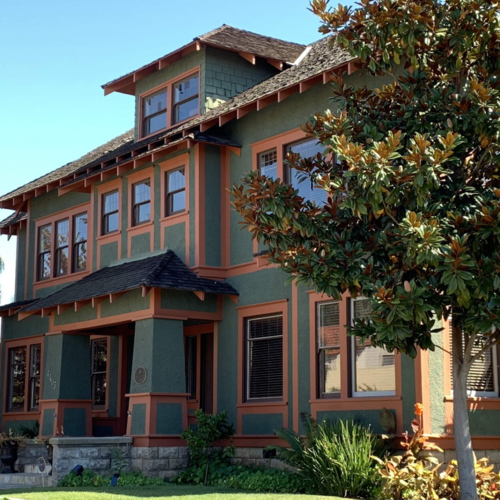

What makes South Park one of San Diego’s most appealing neighborhoods? It’s the combination of tree-lined streets, character-filled homes, independent shops and restaurants, nearby outdoor spaces, and a community atmosphere that makes everyday life feel connected.
Located east of Balboa Park and south of North Park, South Park offers a distinctly residential feel close to the energy of central San Diego. For buyers who want an established neighborhood with personality, it deserves a closer look.
In my video, I share five things to love about living in South Park. Here’s a deeper look at what makes this neighborhood special, and what to consider if you’re thinking about buying a home here.
5. A Relaxed Pace Close to the City
One of my favorite things about South Park is its pace. You can head out for coffee, meet a friend for dinner, or browse local shops, then return to streets that feel residential and established.
The neighborhood’s business district centers on Fern Street and 30th Street, giving residents places to gather without overwhelming the surrounding neighborhood. That balance is a big part of South Park’s appeal: there’s activity nearby, along with room to enjoy a quieter daily routine.
For people relocating to San Diego, South Park is worth exploring if you want proximity to Downtown, Balboa Park, and other central neighborhoods while living somewhere with a smaller-scale neighborhood feel.
When looking at South Park homes for sale, pay attention to the individual block. A home near restaurants and gathering spots can offer a different experience from one tucked farther into the residential streets. Visit at different times of day to see which setting fits you best.
4. Beautiful Trees and Character-Filled Streets
South Park’s streets are a big part of the experience. Mature trees, established gardens, front porches, and older homes give the neighborhood a sense of history and individuality.
You’ll find Craftsman bungalows, Spanish-style homes, and other properties with architectural details that buyers often have a hard time finding in newer construction. The appeal might be a welcoming porch, original woodwork, or simply the way a home sits within its surroundings.
Nearby Burlingame adds another layer of architectural interest, with its historic homes and distinctive pink sidewalks. It’s a lovely area to explore when getting to know this part of San Diego.
For buyers, character and condition need to be considered together. With an older home, look closely at the roof, foundation, plumbing, electrical systems, and previous renovations. If historic designation applies to a property, understand what it means for future changes. A charming exterior is only the beginning of the evaluation.
3. Neighborhood-Scale Shops and Restaurants
South Park’s independent businesses help give the neighborhood its identity. Along Fern Street and 30th Street, you’ll find places to eat, shop, grab coffee, and build familiar routines.
Café Madeleine (where I start my video) and KINDRED are two examples of the neighborhood’s distinctive dining scene. The surrounding shops and businesses give you reasons to explore on foot, stop somewhere new, and eventually become a regular. www.southparksd.com
That matters when you’re choosing where to live. A neighborhood is more than the house itself; it’s also where you spend an ordinary Saturday morning or go when you want dinner close to home.
If walkability is high on your list, test the actual route from a property to the places you expect to visit. Distance, hills, sidewalks, and street crossings all affect how convenient that walk feels.
2. Outdoor Spaces and Urban Hiking
Living in South Park also puts outdoor time within reach. Grape Street Park is a neighborhood gathering spot, particularly for residents with dogs, and it has designated leash-free hours.
Switzer Canyon adds an opportunity for urban hiking nearby, while Balboa Park offers more ways to enjoy open space, gardens, cultural attractions, and time outside.
These places contribute to the everyday lifestyle here. A walk, a park visit, or time on a nearby trail can become part of your week without planning a major outing.
As you compare homes, consider how you’ll reach the outdoor spaces you’re most likely to use. Being close on a map and having a convenient walking route can be two different things.
1. Community Events and a Village Atmosphere
The thing that brings South Park’s appeal together is its sense of community. The homes, streets, businesses, and gathering places create a neighborhood with a recognizable identity.
Events such as the South Park Walkabout and Taste of South Park give people a chance to explore local businesses and enjoy the neighborhood together. They’re also a useful introduction for anyone considering a move here.
But the village atmosphere extends beyond organized events. It’s the familiar coffee stop, the walk past neighborhood storefronts, and the places you return to throughout the week.
If you’re considering living in South Park, spend time here before you start seriously touring homes. Walk the residential streets, visit the business district, and experience an ordinary weekday as well as a weekend. That will tell you more about your fit with the neighborhood than listing photos alone.
What Should You Know Before Buying a Home in South Park?
South Park’s appeal is easy to see, but each property deserves its own evaluation. Parking, lot size, outdoor space, renovation quality, and proximity to commercial activity can vary considerably.
For older homes, and most of the home in South Park are quite a bit older, inspection findings and maintenance history are especially important. Buyers should also verify any historic designation and investigate permits for additions or converted spaces rather than assuming that everything shown in a listing has the same status.
My education-first approach helps you understand both the lifestyle and the property itself. The goal is to find a home that fits how you want to live, with a clear understanding of its condition and potential costs.
Frequently Asked Questions About Living in South Park, San Diego
Where is South Park in San Diego?
South Park is east of Balboa Park and south of North Park, close to Downtown San Diego and other central neighborhoods. Fern Street and 30th Street form the heart of its local business district.
What types of homes are in South Park?
South Park is known for older homes with architectural character, including Craftsman bungalows and Spanish-style properties. Home size, condition, parking, and outdoor space vary, so it’s important to compare individual properties carefully.
Is South Park walkable?
Yes! Many residents enjoy walking to businesses along Fern Street and 30th Street. How convenient that is depends on your home’s location and the route to your favorite destinations. But overall it's an absolutely lovely area to walk around in.
How does South Park compare with North Park?
South Park generally has a quieter, more residential feel and a smaller-scale business district. North Park offers a broader concentration of dining, nightlife, and commercial activity. Your experience in either neighborhood will depend on the particular street and property, but I think most people would agree that North Park is denser and more active.
What is there to do outdoors near South Park?
Nearby options include Grape Street Park, Switzer Canyon, and Balboa Park. Whether you enjoy walking your dog, urban hiking, or spending time in a park, outdoor access is part of the neighborhood’s appeal.
Thinking About Making South Park Home?
If you’re considering buying or selling a home in South Park, I’d love to help you understand the neighborhood, evaluate your options, and make a confident move.
I’m Kimberly Schmidt with Kimberly Schmidt & Associates at Compass in San Diego. My proprietary framework, the Confident Move Method™ combines data-driven strategy, concierge-level preparation, and an education-first approach to help you make informed real estate decisions. Reach out to learn more about this or other parts of San Diego.
Check out this article next