

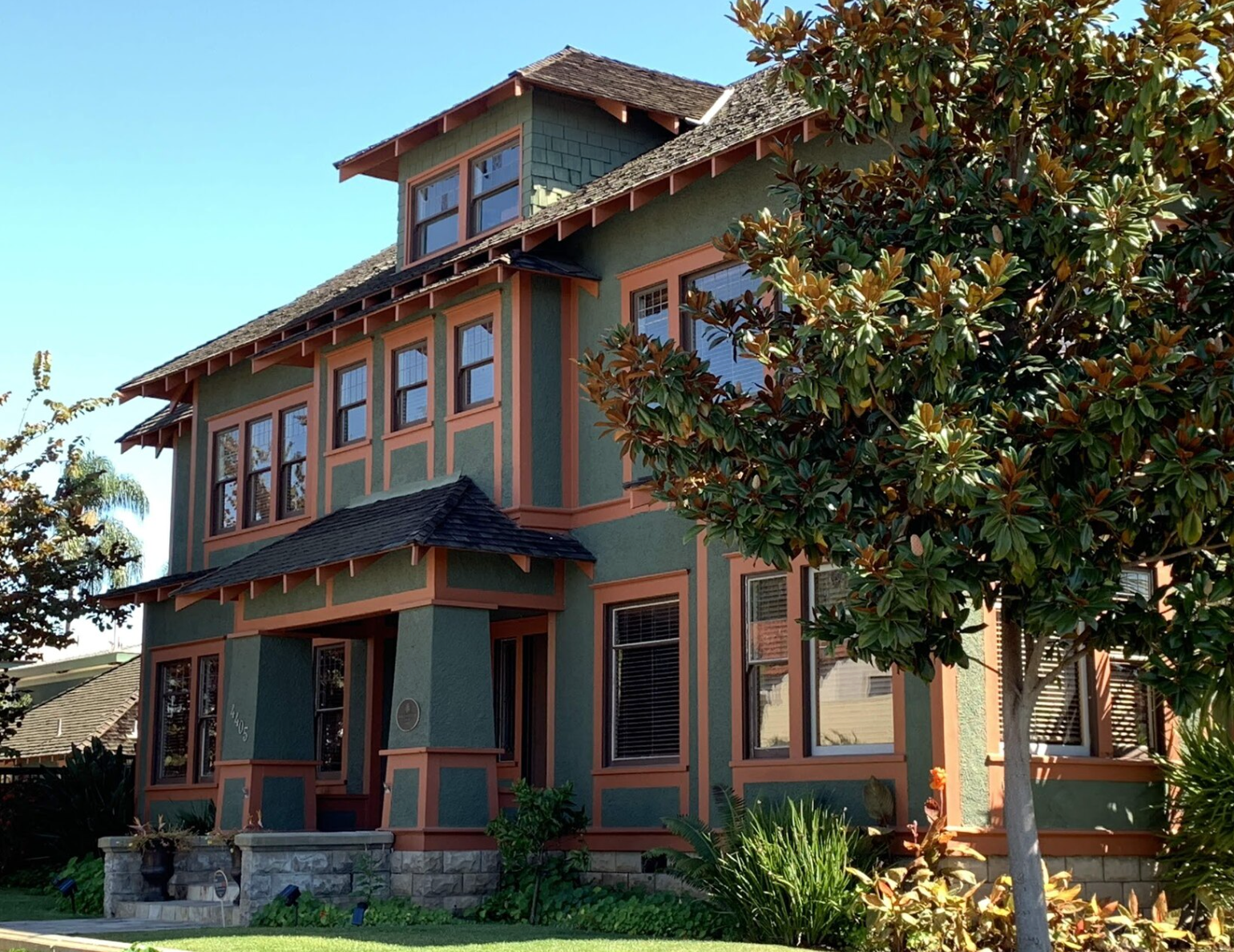
A historic designation can make a Mission Hills home distinctive. An active Mills Act contract may add a valuable property tax benefit. But neither automatically tells you what a buyer will pay. The strongest sale strategy starts by confirming the property’s exact historic status, documenting the terms of any contract, and pricing the home against comparable properties.
Mission Hills buyers are often drawn to original architecture, established streets, and details that cannot easily be reproduced. They may also have practical questions: What can they renovate? What maintenance will be required? Will the current property tax savings continue after the sale?
Answering those questions clearly can help buyers appreciate the home’s character and evaluate the ownership commitment with confidence.
Does the Mills Act increase the value of a Mission Hills home?
A Mills Act contract can strengthen a home’s appeal, but its effect on sale price depends on the property and the buyer pool. The contract provides a potential property tax reduction in exchange for preserving and maintaining a designated historic resource. According to the City of San Diego, tax savings have ranged from 20% to 70%, with the actual amount determined through the County Assessor’s valuation process.
That benefit deserves a prominent place in the marketing for an eligible home. It should also be presented carefully. A seller’s current tax bill is useful background, but it is not a guaranteed quote for the next owner. It's important to review the recorded contract, current tax information, and an appropriate estimate of how the property may be assessed after the sale, but we should refrain from stating an exact amount of dollar savings.
The Mills Act is one part of the value discussion. A well-maintained historic home with compelling original features may attract buyers for reasons beyond taxes. Deferred repairs, unpermitted changes, or restrictions that conflict with a buyer’s plans can affect that same discussion. The right asking price reflects the entire property and the current Mission Hills market, not just the fact that it has a Mills Act contract.
Does the Mills Act contract transfer to the buyer?
Yes. If a Mills Act agreement is recorded on the property, its benefits and responsibilities go with the land when the property is sold. The new owner does not have to apply again simply because ownership changes.
The agreement begins with a 10-year term and generally renews automatically each year, maintaining a rolling 10-year term unless either party gives notice to stop renewal. Buyers should review the actual recorded agreement and its status rather than assume that every historic home has identical requirements.
That distinction matters: a historic designation and a Mills Act contract are not the same thing. In San Diego, local historic designation is required before an owner can enter into a Mills Act agreement, but designation alone does not mean an agreement is in place.
What should a Mission Hills seller gather before listing?
Historic properties tend to generate more detailed due diligence questions than a typical home. Getting the records together early gives buyers a clearer picture and reduces avoidable uncertainty during escrow. Useful documents include:
Historic designation records. Confirm whether the property is individually designated, is a contributing resource in a designated district, or has another status. Verify the information for the specific address.
The recorded Mills Act agreement, if there is one. Review its terms, preservation obligations, and any associated work program or documentation.
Records of completed work. Organize permits, approvals, invoices, and records for restoration, repairs, and alterations, especially work affecting historic features.
Information about known issues. Be prepared to address prior City correspondence, outstanding work, or known concerns through the appropriate sale disclosures.
The current property tax bill. It helps explain the existing benefit, provided it is clearly identified as the seller’s bill rather than a promise of the buyer’s future taxes.
What if the house is old but has no historic designation?
An older Mission Hills home is not automatically a designated historic resource, and an older home does not automatically qualify for Mills Act tax relief. The status needs to be checked.
The City of San Diego reviews permit applications for development involving structures 45 years or older outside identified exempt areas, as well as projects involving designated resources or properties in designated historic districts. If a buyer hopes to make substantial changes, that review process may be relevant even when the home does not currently have a Mills Act agreement.
For a seller, the practical step is to distinguish what is confirmed from what is only possible. Our marketing should never suggest that a buyer will receive Mills Act savings on a home that has not entered into a recorded contract.
Can a buyer remodel a historic Mission Hills home?
Possibly, but the answer depends on the property’s designation, the proposed work, and any Mills Act agreement. Historic ownership does not mean every interior update is off limits. It does mean buyers should investigate the rules before assuming they can replace character defining features, change the exterior, or undertake a major addition.
This is where good listing preparation helps. If improvements have already been thoughtfully completed and approved, show that work. If the home offers opportunities for future changes, describe them as possibilities subject to City review rather than guaranteed entitlements.
Buyers who love historic homes often value evidence of careful stewardship. They want to understand which features are original, what has been restored, and how the home has been adapted for everyday living.
How should a historic Mission Hills home be priced?
I would begin with the same fundamentals that drive any sale: location, condition, floor plan, lot, views, parking, recent comparable sales, and current competition. Then I would examine the features that make this particular property different.
Those may include its architectural significance, quality of restoration, documented provenance, designation status, Mills Act agreement, and the likely cost of upcoming work. A tax benefit may widen the audience or help a buyer justify a higher overall housing cost. It does not create a reliable dollar for dollar addition to the sale price, however.
Mission Hills also contains homes with very different appeal and levels of preservation. A beautifully restored property with usable outdoor space and updated systems may compete differently from a home that needs substantial work, even if both have historic credentials. The pricing strategy should reflect what buyers can actually compare and purchase at the time of listing.
How do you market the history without losing sight of the home?
The best presentation connects the home’s story to the experience of living there. This is where I believe the use of narrative matters.
Start with what can be documented. If an architect, builder, year of construction, historic designation, or original feature is part of the story, we verify it before using it in the listing. Photographs and video can then show the details: windows, millwork, built-ins, tile, exterior design, and the relationship between the house and its setting.
Show how the spaces work today. Historic charm is easier for a buyer to value when the rooms feel comfortable and purposeful. Staging should respect the architecture while making the scale and function of each space clear.
Explain the Mills Act accurately. For a property with an active contract, make the recorded agreement and supporting information easy for serious buyers to review. Describe the potential tax benefit alongside the preservation responsibilities. Any comparison of ownership costs should use clearly stated assumptions and avoid guaranteeing a future tax bill.
A strong campaign gives buyers both reasons to fall in love with the house and the information they need to move forward.
Thinking about selling a historic home in Mission Hills?
Your home may have a story that sets it apart, but its sale still depends on preparation, pricing, and clear answers to buyer questions. I can help you evaluate the property’s position in the current 92103 market, identify the details that deserve attention, and build a listing strategy around its particular strengths.
Contact Kimberly Schmidt to discuss a tailored valuation and marketing plan for your Mission Hills home. I love selling these historic homes!
Check out this article next